
Category: Uncategorized

  • Life Support 101: Breathing, CPR, and Feeding Tubes Explained

    Life Support 101: Breathing, CPR, and Feeding Tubes Explained

    When someone becomes critically ill, doctors may use life-sustaining treatments to support vital body functions. These treatments can be lifesaving. But sometimes, especially in serious or advanced illnesses, they may not change the outcome—and may only prolong suffering.

    This blog post talks about three common intensive treatments, what they involve, and things to think about if you or your family ever have to decide about them.

    1. Breathing Tubes and Ventilators

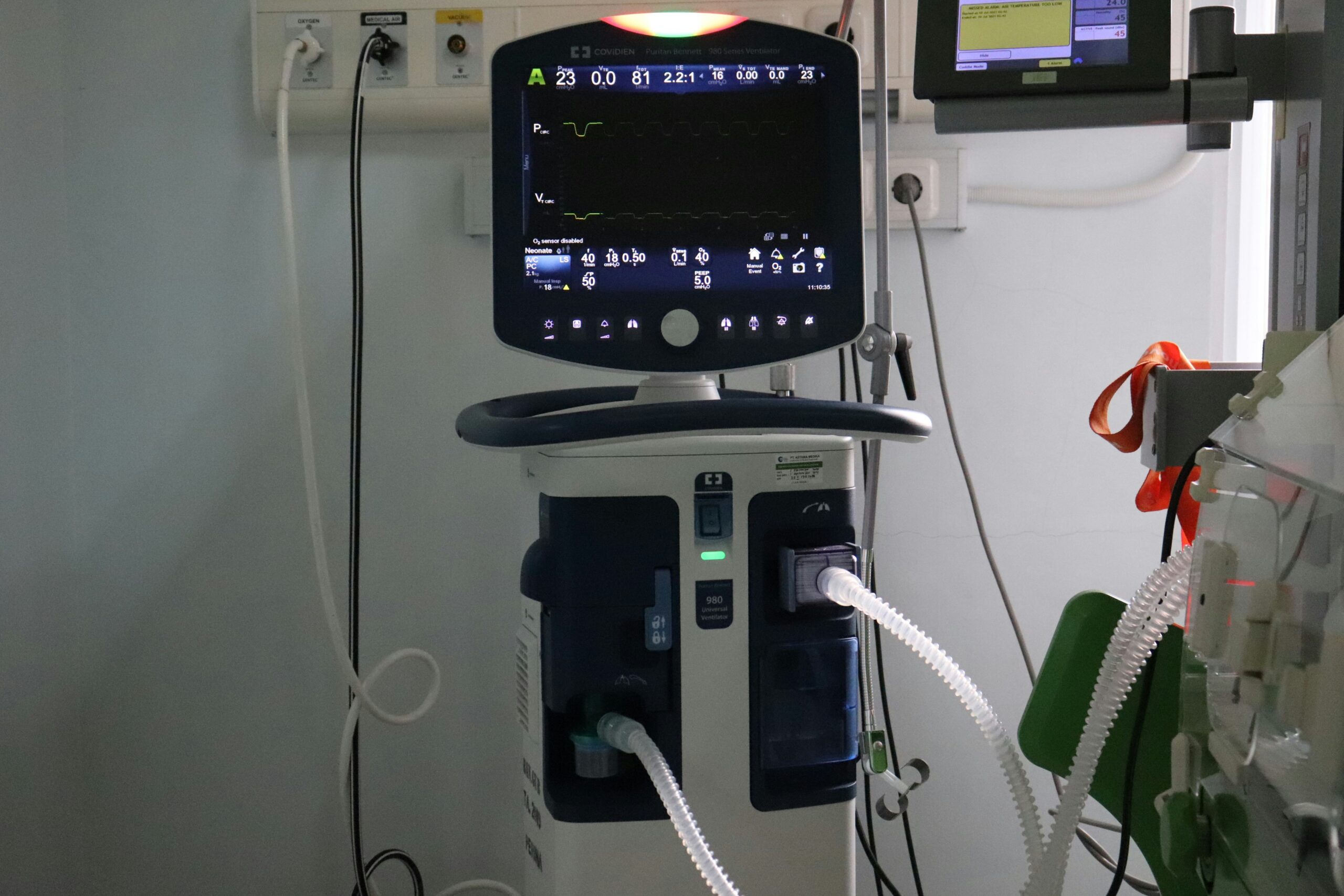
    If a person stops breathing or is struggling to breathe, doctors may insert a breathing tube into the windpipe (this process is called intubation) and connect it to a ventilator—a machine that helps the person breathe.

    What to Expect:

    • The tube goes through the mouth into the lungs.
    • You won’t be able to speak while the tube is in.
    • You’ll likely be sedated (given medication to keep you asleep and comfortable).

    Important to Know:

    • Ventilators are often used temporarily—for example, during recovery from a lung infection.
    • But sometimes, especially in people with severe illnesses, it’s unclear whether and when the ventilator can be removed.
    • You may want to consider: Would you want this treatment only for a short time? Or only if there’s a good chance of recovery? Or not at all?

    2. Cardiopulmonary Resuscitation (CPR)

    If your heart suddenly stops beating, doctors may perform CPR (Cardiopulmonary Resuscitation) to try and restart it.

    CPR can involve:

    • Pushing hard on your chest to keep blood flowing
    • Inserting a breathing tube and ventilating the lungs
    • Giving electric shocks (defibrillation)
    • Using emergency medicines

    What You Should Know:

    • Some people recover well after CPR.
    • Others, especially those with advanced illnesses, may not survive or may wake up with severe brain damage due to lack of oxygen.
    • CPR can be traumatic to the body, especially in older or frail individuals.

    You can decide ahead of time whether you would want CPR in the event of cardiac arrest.

    3. Feeding Tubes

    If you cannot eat by mouth, doctors may offer to place a feeding tube into your stomach or intestines to deliver nutrition.

    Feeding Tubes Can:

    • Support your body during temporary illness or recovery
    • Provide long-term nutrition in people who cannot eat at all

    Things to Consider:

    • Feeding tubes can help people recover from illness.
    • But in patients who are permanently unconscious or have no chance of recovery, a feeding tube may prolong life without improving its quality.
    • You can choose to accept or decline this treatment, depending on your goals and values.

    Making These Decisions: What Matters Most

    These treatments are powerful, but they also come with their own risks and discomfort, especially in medical conditions with uncertain outcomes. What matters most is what you value: Is it living as long as possible no matter what? Is it staying comfortable? Is it being able to communicate and interact with family?

    You have the right to make these decisions for yourself. And if you become unable to speak, your family and doctors can make choices on your behalf—if they know your wishes.

    Plan Ahead: Make Your Choices Known

    You can write down your preferences for treatments like these in a document called a Living Will or Advance Medical Directive. This can give your family peace of mind and help your doctors respect your values during a crisis.


  • Understanding the Legal Aspects of End-of-Life Care and Living Wills in India

    Understanding the Legal Aspects of End-of-Life Care and Living Wills in India

    In a landmark move, the Ministry of Health and Family Welfare recently released draft Guidelines for the Withdrawal of Life Support in Terminally Ill Patients. These guidelines aim to operationalise the Supreme Court’s historic judgments from 2018 and 2023 that affirmed the constitutional right of every Indian to die with dignity.

    While India still does not have a dedicated law governing the withholding or withdrawal of life-sustaining treatment, the Supreme Court’s rulings and the Ministry’s draft guidelines together form a legal and ethical framework for hospitals and families navigating the complex terrain of end-of-life care.

    Legal Backdrop: The Supreme Court’s Orders on end of Life care in individuals who have made a Living Will

    The 2018 Common Cause vs. Union of India judgment was a watershed moment. The Supreme Court recognised the right to die with dignity as part of the constitutional right to life under Article 21. The Court also laid out a framework for advance directives or “Living Wills,” and for the withdrawal of life-sustaining treatment in terminally ill patients.

    In 2023, the Supreme Court further simplified the process and reiterated the need for operational clarity. The recent draft guidelines issued by the Ministry aim to fulfil that mandate. The Supreme Court gave the following orders for deciding end of life care in terminally ill situations.

    Formation of Medical Boards

    • Primary Medical Board: Set up at the hospital level, comprising treating physicians and specialists. This board evaluates whether continued life-sustaining treatment is beneficial for the terminally ill patient.
    • Secondary Medical Board: Consists of independent doctors nominated by the District Chief Medical Officer (CMO) or equivalent authority. This board reviews and either confirms or rejects the Primary Board’s decision.

    This two-tiered structure ensures checks and balances, and safeguards patients’ rights while maintaining medical accountability.

    What Is Withholding or Withdrawing Life-Sustaining Treatment?

    Withholding or withdrawing life-sustaining treatment refers to the deliberate decision to not initiate or to discontinue medical interventions that prolong life but no longer offer benefit to the patient. These may include:

    • Mechanical ventilation (ventilators)
    • Artificial nutrition and hydration (feeding tubes)
    • Dialysis
    • Cardiopulmonary resuscitation (CPR)
    • Certain medications or surgeries

    The goal in such decisions is not to hasten death, but to avoid prolonging suffering in a situation where treatment is deemed futile and the underlying illness is irreversible. Comfort care, often called palliative care, is continued to ensure the patient is free from distress and pain.

    Can End‑of‑Life Care Be Given Without a Living Will?

    For individuals who haven’t made a living will, India’s legal and medical landscape still allows for ethical, structured end-of-life decision-making:

    • Family or Next Friend Decision-makers: Courts have recognised that in absence of a directive, decisions can be made by close relatives or a nominated next friend, subject to medical review and legal oversight (as in Aruna Shanbaug) 
    • Medical Boards in Hospitals: The current Supreme Court‑mandated process (reflected in the Ministry’s draft guidelines) permits withdrawal of treatment through a two-tier board system even without a living will—a Primary Medical Board and an independently appointed Secondary Medical Board review and confirm the decision
    • Advance Care Planning (ACP) Influence: Even when a formal document is absent, prior conversations about treatment preferences can guide doctors and families to honour the patient’s values and choices during terminal illness or incapacity
    • Ethical Guidelines by Professional Bodies: ICU and palliative care protocols issued by medical bodies like ISCCM, IAPC, and ICMR offer structured guidance for DNAR decisions and limitation-of-treatment frameworks when no written directive exists. These are widely used as practical standards in many institutions.

    What This Means for Hospitals and Families

    The Supreme Court Judgements of 2018 and 2023:

    • Clarify that withholding or withdrawing treatment is legally permissible in India when done within the defined framework.
    • Provide a clear institutional process to guide healthcare providers and protect them from legal liability, including the Primary and Secondary medical boards
    • Empower families and patients to make informed choices about care at the end of life, aligned with their values and preferences.
    • Lay the groundwork for respectful, humane, and patient-centric end-of-life care in India.

    Even without a living will, India’s current legal landscape now allows structured, legally protected end‑of‑life care decisions. Still, drafting a living will or advance directive remains the best way to ensure one’s wishes are respected clearly and efficiently. Until we have a legislation, these evolving norms offer hope for quality end-of-life care for all Indians.

  • Why every Indian should make a Living Will

    Why every Indian should make a Living Will

    Imagine a situation where you’re seriously ill, unable to speak, and your loved ones are left wondering what kind of treatment you would have wanted. Would you prefer to be kept alive on machines, or would you want a more natural course of care? These are difficult questions, and a Living Will helps answer them—on your terms.

    What Is a Living Will?

    A Living Will, also known as an Advance Medical Directive, is a legal document that allows you to record your preferences for future medical treatment in case you are unable to express them yourself. It also allows you to nominate individuals (called Medical Power of Attorney) who will help carry out your wishes when the time comes.

    It guides your medical team on the treatments you want—or do not want—such as:

    • Artificial respiration (ventilator)
    • Tube feeding
    • Dialysis
    • Blood transfusion
    • Cardiopulmonary resuscitation (CPR)
    • Surgery

    The goal is to ensure that your medical care aligns with your values and priorities, especially in the event of a terminal illness or irreversible condition.

    When Does the Living Will Come Into Effect?

    A Living Will is only implemented under two specific conditions:

    1. You are diagnosed with a terminal illness or are in a persistent vegetative state, and
    2. You are unable to make healthcare decisions for yourself—for example, if you are unconscious or mentally incapacitated.

    Even then, the process involves thorough checks:

    • Your treating doctors must be certain about your medical condition.
    • Their opinion must be confirmed by two separate boards of medical experts.
    • Your Medical Powers of Attorney must also consent to the plan, based on what you’ve outlined in your Living Will.

    Who Should Make a Living Will?

    Anyone above 18 years of age can—and should—make a Living Will. It’s not just for those who are ill. In fact, many healthy individuals opt for one as a proactive step in future planning.

    Some examples include:

    • A young, healthy individual considering the possibility of a road traffic accident resulting in severe brain injury.
    • Someone living with a chronic illness like dementia, Parkinson’s, heart, lung, liver or kidney failure, who may lose the ability to make decisions later.
    • A person recently diagnosed with a life-limiting illness like stage 4 cancer, who wants to remain in control of how they are treated.

    Can I Change My Living Will Later?

    Yes. You can change or cancel your Living Will at any time, as long as it hasn’t been implemented yet. However, the process to update it is the same as creating a new one—you’ll need to inform:

    • Your medical team
    • Your family
    • Your nominated Medical Powers of Attorney
    • And submit a copy to your local government (panchayat or municipal corporation)

    Who Should Have a Copy of My Living Will?

    Keep your Living Will accessible and make sure the right people know where it is. Copies should be with:

    • You and your family
    • Your nominated Medical Powers of Attorney
    • Your treating doctors
    • The hospital where you are likely to be admitted
    • Your local government office (municipality or panchayat)

    How to Choose a Medical Power of Attorney

    Choosing the right person is crucial. As per the Supreme Court of India:

    • You must nominate at least two individuals who are over 18 years of age.
    • They should understand your values and preferences.
    • Ideally, they should live close enough to reach the hospital quickly in emergencies.
    • They can be a family member, a close friend, or a trusted colleague.

    Important: Don’t choose your doctor or someone from your treating team. If you’ve chosen a non-family member, inform your family to avoid future misunderstandings.

    Is This Being Used in India?

    Yes! Although the Supreme Court of India legalized Living Wills in 2018, and simplified the process in 2023, the uptake is now gathering momentum.

    At Hinduja Hospital’s Living Will Clinic, which launched in June 2025, we’ve already seen a growing interest and increasing number of enquiries—especially after media coverage made more people aware of their rights and options.